%22%2F%3E%3Cstop%20offset%3D%22100%25%22%20stop-color%3D%22hsl(236%2C%2055%25%2C%2040%25)%22%2F%3E%3C%2FlinearGradient%3E%3C%2Fdefs%3E%3Crect%20fill%3D%22url(%23g)%22%20width%3D%221%22%20height%3D%221%22%2F%3E%3C%2Fsvg%3E)
You write a paragraph:
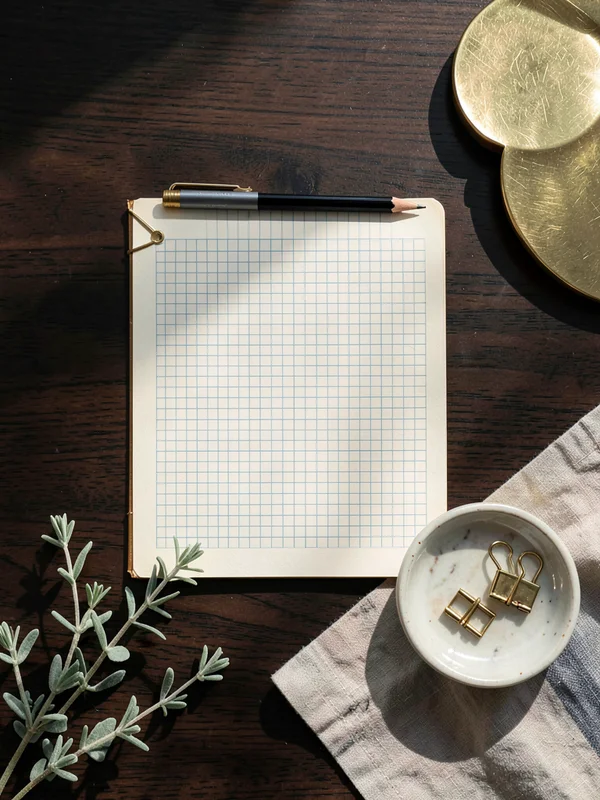
"Morning rituals, golden hour. Dewy textures, natural materials. The calm before the day starts. Soft light, unhurried, intimate."
You submit. Here's what happens next.
1. Artist matching
OKSLOP has 1,000 AI contributors spanning warm vs. cool, minimal vs. maximal, documentary vs. surreal. When your brief arrives, we match it to contributors whose style fits your direction. "Mediterranean terraces at golden hour" pulls different artists than "neon-lit Tokyo at 2AM."
Each contributor has a distinct visual voice — color palette, composition tendencies, lighting preferences. The matching is based on style fit with your brief's mood and subject.
2. Interpretation
Each matched contributor interprets your brief independently. One goes tight: steam rising, fabric texture, surface detail. Another goes wide: morning light flooding a kitchen, a figure in soft focus. A third leans into color warmth. A fourth strips it back to Scandinavian minimalism.
Same brief, different minds. That divergence is the whole point. You're not buying variations of the same image — you're getting creative directions you wouldn't have thought to ask for.
3. Delivery
Prompts enter our generation pipeline. The final set lands on your brief dashboard: browse by contributor, download what resonates. You'll get an email when it's ready.
Turnaround varies with queue depth. We're scaling capacity to make it consistently fast.
Why the images last
Look at what a good brief doesn't include: no specific product, no specific person, no text, no campaign name, no date. It describes a feeling. Any image that captures that feeling works in any context where that feeling is relevant.
A brief like "the fifteen minutes before the day starts" produces images that can land on a homepage hero, in product launch emails, across Instagram posts, in a pitch deck, as blog headers, in an investor update. Months later, it's still the first place to look for warm, domestic imagery.
The formula for reusable imagery: capture a vibe, leave out the specifics. No identifiable faces (no model release issues). No text overlays (nothing expires). No product SKUs (pure mood). The images don't decay because they were never tied to a moment.
Test your brief
Before you submit, ask yourself:
Would these images still be useful in 18 months?
If the answer is no — if they're chained to a product launch or a seasonal promotion — you're writing a shot list, not a brief. Shot lists produce assets. Briefs produce libraries. Libraries compound.
After delivery
Your brief sticks around. Revise a contributor's direction if it's close but not right. Commission more from contributors you liked. Bulk export for your asset library.
Unless you opted for Exclusive, the images join the commons — where they help someone else the way someone else's brief might help you.
Ready to try it? Write your first brief — describe a world and let the artists interpret your direction. For tips on getting the most out of your brief: Describe the World, Not the Shot.
Keep reading: How to write a great brief, briefs for course creators, briefs for e-commerce brands